
Employment Drug Testing for Employers
Drug testing is a critical part of a safe, compliant hiring process. Bchex provides pre-employment, random, post-accident, and reasonable suspicion drug testing through a nationwide network of over 20,000 collection sites — with DOT and non-DOT panels, MRO review, and fast turnaround.
20,000+ collection sites · DOT & non-DOT panels · MRO-reviewed · Part of a complete background check
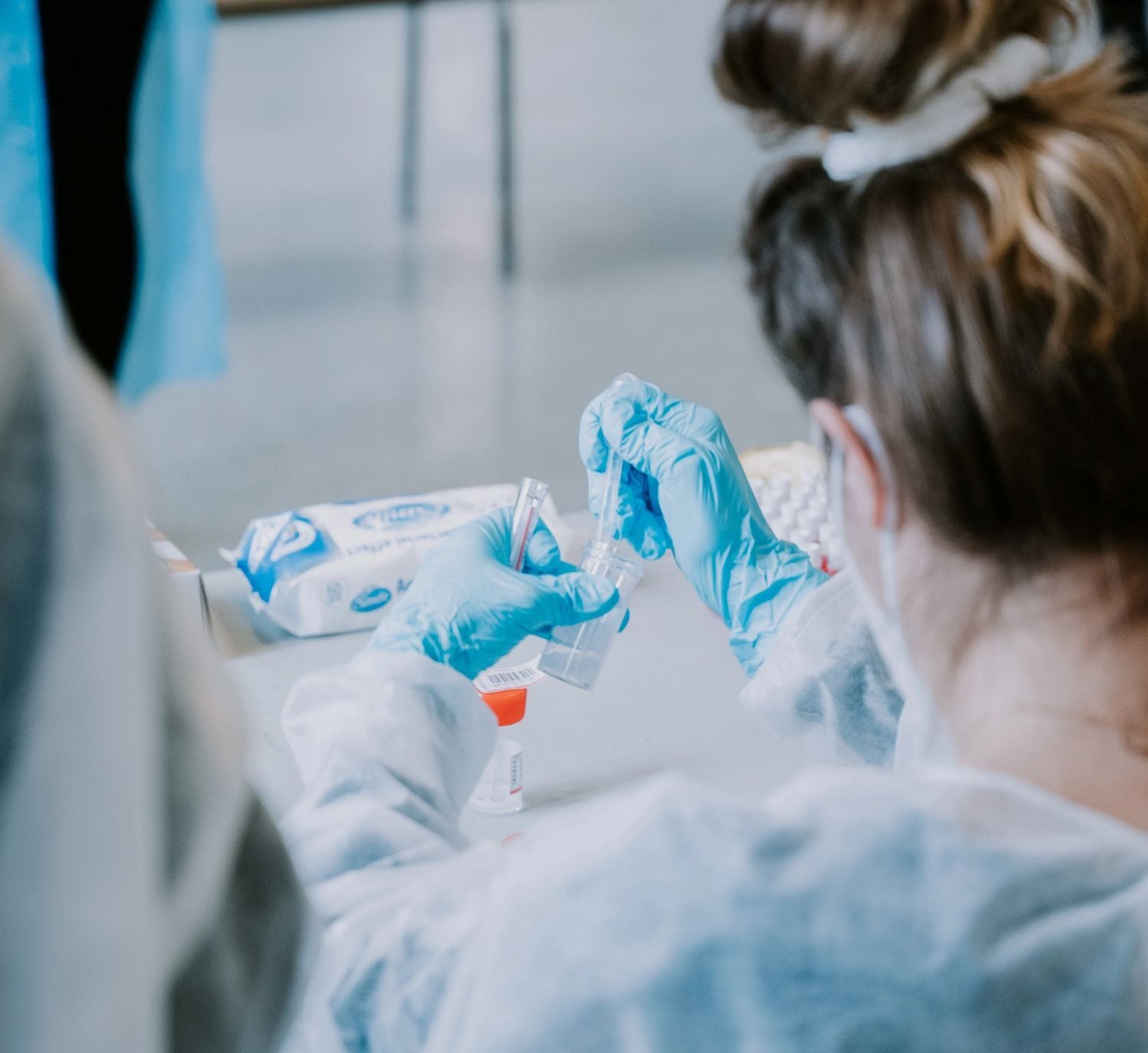
Types of Drug Testing Programs We Support
Whether you need a one-time pre-employment screen or a full DOT-compliant random testing program, Bchex handles it end-to-end.
Pre-Employment Drug Testing
Screen candidates before they start. The most common type of workplace drug test, typically required as a condition of a job offer.
Random Drug Testing
Unannounced testing from a random selection pool. Required for DOT-regulated employees and widely used as a workplace deterrent.
Post-Accident Drug Testing
Testing conducted after a workplace incident to determine whether drugs or alcohol were a contributing factor. Often required by insurance carriers and DOT regulations.
Reasonable Suspicion Testing
Testing triggered when a trained supervisor observes signs of impairment. Bchex provides rapid scheduling so you can act on the same day.
Return-to-Duty & Follow-Up
Required before an employee returns to safety-sensitive duties after a violation, followed by unannounced testing for up to 60 months under DOT rules.
DOT-Compliant Programs
Full 49 CFR Part 40 compliance for FMCSA, FAA, FRA, FTA, PHMSA, and USCG-regulated employers. Includes consortium/third-party administrator (C/TPA) services.
How Bchex Drug Testing Works
Order the Test
Select the panel type and testing reason from your Bchex dashboard. The candidate or employee receives instructions automatically.
Visit a Collection Site
The donor visits one of 20,000+ SAMHSA-certified collection sites nationwide, or Bchex can arrange on-site collection for large groups.
Lab Analysis & MRO Review
Specimens are analyzed at a SAMHSA-certified laboratory. All non-negative results are reviewed by a licensed Medical Review Officer (MRO) before reporting.
Results Delivered
Negative results typically returned within 1–3 business days. Non-negative results delivered after MRO review and verification.
Drug Test Panels & What They Screen For
Different roles and regulations require different panels. Here are the most common options.
| Panel Type | Substances Screened | Common Use Cases |
|---|---|---|
| 5-Panel (DOT Standard) | Marijuana (THC), cocaine, opiates, amphetamines, PCP | DOT-regulated employees (CDL drivers, pilots, transit workers). The federally mandated panel under 49 CFR Part 40. |
| 7-Panel | 5-panel substances plus benzodiazepines and barbiturates | Healthcare, manufacturing, and employers wanting broader coverage beyond the DOT minimum. |
| 10-Panel | 7-panel substances plus methadone, propoxyphene, and methaqualone (or expanded opioids) | Safety-sensitive non-DOT roles, government contractors, and employers in states without marijuana protections. |
| 12-Panel / Custom | 10-panel plus additional substances like tramadol, fentanyl, or expanded synthetic opioids | High-security environments, pain management clinics, and employers responding to regional drug trends. |
| Alcohol Testing | Blood alcohol concentration (BAC) via breath or saliva | Post-accident, reasonable suspicion, and DOT return-to-duty testing. Often paired with a urine drug panel. |
Specimen Collection Options
Different situations call for different collection methods. Bchex supports all major specimen types.
-
Urine Testing
The industry standard. Required for all DOT testing. Detects recent use within 1–30 days depending on the substance. Available at all 20,000+ collection sites.
-
Oral Fluid (Saliva) Testing
Observed collection, harder to adulterate. Detects very recent use (within hours to 2–3 days). Increasingly popular for reasonable suspicion and post-accident testing.
-
Hair Follicle Testing
Detects substance use over a 90-day window. Difficult to cheat. Used by employers who want a longer look-back period than urine provides.
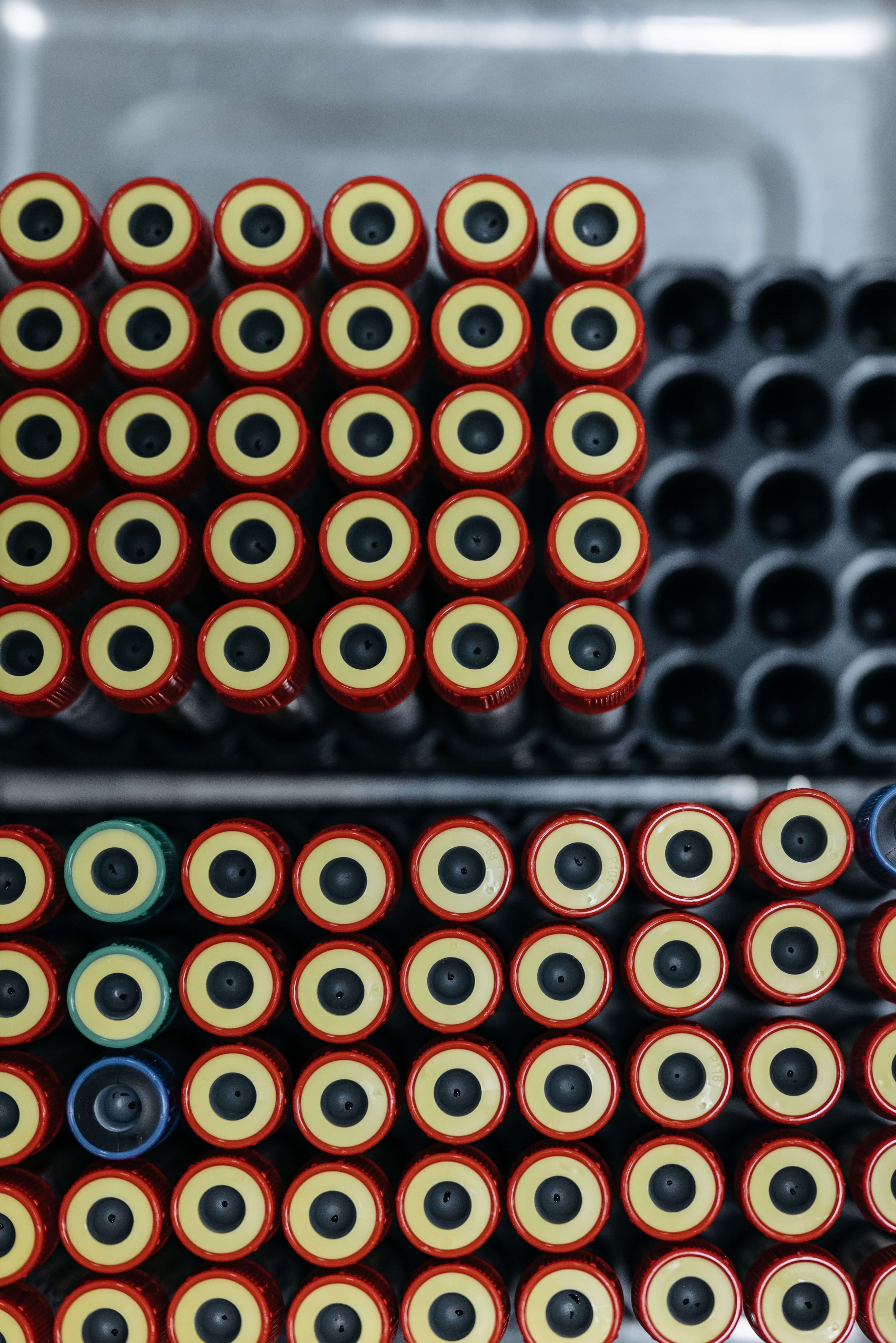
Who Needs Workplace Drug Testing
Drug testing is required by federal law for some industries and strongly recommended for any employer with safety-sensitive roles.
Transportation & DOT
CDL drivers, pilots, rail workers, transit operators, pipeline workers, and maritime employees. Federally mandated under 49 CFR Part 40.
Healthcare
Nurses, physicians, pharmacists, and support staff. Many hospitals and health systems require drug testing as a condition of employment and credentialing.
Construction & Manufacturing
Equipment operators, site workers, and production staff. Insurance carriers frequently require drug-free workplace programs for coverage.
Government & Defense
Federal employees, contractors, and military personnel. Executive Order 12564 established the goal of a drug-free federal workplace.
Education & Childcare
Teachers, bus drivers, and childcare workers in states or districts that require drug-free workplace certification.
Energy & Utilities
Nuclear power (NRC-regulated), oil and gas, and pipeline operators. Among the most strictly regulated industries for drug and alcohol testing.
Financial Services
Banks, brokerage firms, and insurance companies that maintain drug-free workplace policies for fiduciary and regulatory reasons.
Warehousing & Logistics
Forklift operators, warehouse staff, and distribution center employees operating heavy machinery or working in high-risk environments.
Frequently Asked Questions
What is a pre-employment drug test?
A pre-employment drug test is a screening conducted after a conditional job offer but before the employee starts work. It’s the most common type of workplace drug test and is typically required as a condition of employment. The candidate visits a collection site, provides a specimen (usually urine), and results are reviewed by a Medical Review Officer (MRO) before being reported to the employer.
What does a 5-panel drug test screen for?
A standard 5-panel drug test screens for marijuana (THC), cocaine, opiates (codeine, morphine, heroin), amphetamines (including methamphetamine), and phencyclidine (PCP). This is the federally mandated panel for DOT-regulated testing under 49 CFR Part 40 and is the most widely used panel for employment screening.
How long does a drug test take to get results?
Negative results are typically available within 1–3 business days after the specimen reaches the lab. Non-negative (positive) results take longer because they require confirmation testing and review by a licensed Medical Review Officer (MRO), who contacts the donor to determine whether a legitimate medical explanation exists. This process usually adds 2–5 additional business days.
What is an MRO and why does it matter?
An MRO (Medical Review Officer) is a licensed physician trained in substance abuse testing who reviews all non-negative drug test results before they’re reported to the employer. The MRO contacts the donor to determine whether a legitimate medical explanation exists — for example, a valid prescription for a detected substance. MRO review is required for all DOT drug testing and is considered a best practice for non-DOT testing to protect both the employer and the donor from false positives.
What is the difference between DOT and non-DOT drug testing?
DOT drug testing follows strict federal procedures outlined in 49 CFR Part 40 and is required for safety-sensitive employees regulated by agencies like FMCSA, FAA, FRA, FTA, PHMSA, and USCG. It mandates a specific 5-panel urine test, certified labs, MRO review, and specific collection procedures. Non-DOT testing is governed by state law and company policy, giving employers more flexibility in panel selection, specimen type, and testing occasions.
Can an employer drug test for marijuana in legal states?
It depends on the state and the type of role. DOT-regulated employers must test for marijuana regardless of state law — federal regulations preempt state marijuana protections. For non-DOT employers, a growing number of states (including New York, California, and others) restrict or prohibit pre-employment marijuana testing for non-safety-sensitive positions. Employers should consult state-specific laws and legal counsel before including THC in their testing panel.
How far back does a drug test go?
Detection windows vary by specimen type. Urine tests detect most substances within 1–30 days of use (marijuana can be longer for heavy users). Oral fluid (saliva) tests detect use within hours to 2–3 days. Hair follicle tests provide the longest window at approximately 90 days. The detection window also depends on the substance, frequency of use, metabolism, and the specific cutoff levels used by the lab.
Is drug testing part of a background check?
Drug testing is often included as part of a comprehensive employment background check, but it is technically a separate process with different legal requirements. A background check searches criminal records, verifies employment and education, and checks references. Drug testing analyzes a biological specimen for the presence of controlled substances. Many employers order both simultaneously through a single provider like bchex to streamline the pre-employment process.
What happens if a candidate fails a drug test?
If a drug test returns a non-negative result, the MRO first contacts the donor to determine whether a legitimate medical explanation exists (such as a valid prescription). If no explanation is confirmed, the result is reported as positive to the employer. The employer then decides how to proceed based on company policy, applicable state law, and any collective bargaining agreements. For DOT-regulated employees, a positive result triggers mandatory removal from safety-sensitive duties and referral to a Substance Abuse Professional (SAP).
Do employers have to tell you about a drug test?
In most states, yes. Employers are generally required to provide advance notice that drug testing is a condition of employment, either in the job posting, the offer letter, or the company drug-free workplace policy. Some states require written notice and signed acknowledgment before testing can occur. DOT-regulated testing has its own notification requirements under 49 CFR Part 40.
What is a 10-panel drug test?
A 10-panel drug test screens for the same five substances as a standard 5-panel (marijuana, cocaine, opiates, amphetamines, PCP) plus benzodiazepines, barbiturates, methadone, propoxyphene, and methaqualone (or expanded opioids, depending on the lab). It is commonly used for safety-sensitive non-DOT roles, government contractors, and employers who want broader coverage than the standard 5-panel provides.
What is the difference between urine, oral fluid, and hair follicle drug tests?
Urine testing is the industry standard and is required for all DOT testing. It detects recent use within 1–30 days depending on the substance. Oral fluid (saliva) testing detects very recent use (within hours to 2–3 days) and is harder to adulterate because collection is observed. Hair follicle testing provides the longest detection window at approximately 90 days and is difficult to cheat, but it does not detect very recent use (within the past 5–7 days). Each method has trade-offs in detection window, cost, and adulteration risk.
Ready to Set Up Your Drug Testing Program?
See how Bchex can manage your workplace drug testing — pre-employment, random, post-accident, and DOT-compliant — through one platform with 20,000+ collection sites nationwide.
Talk to Sales