
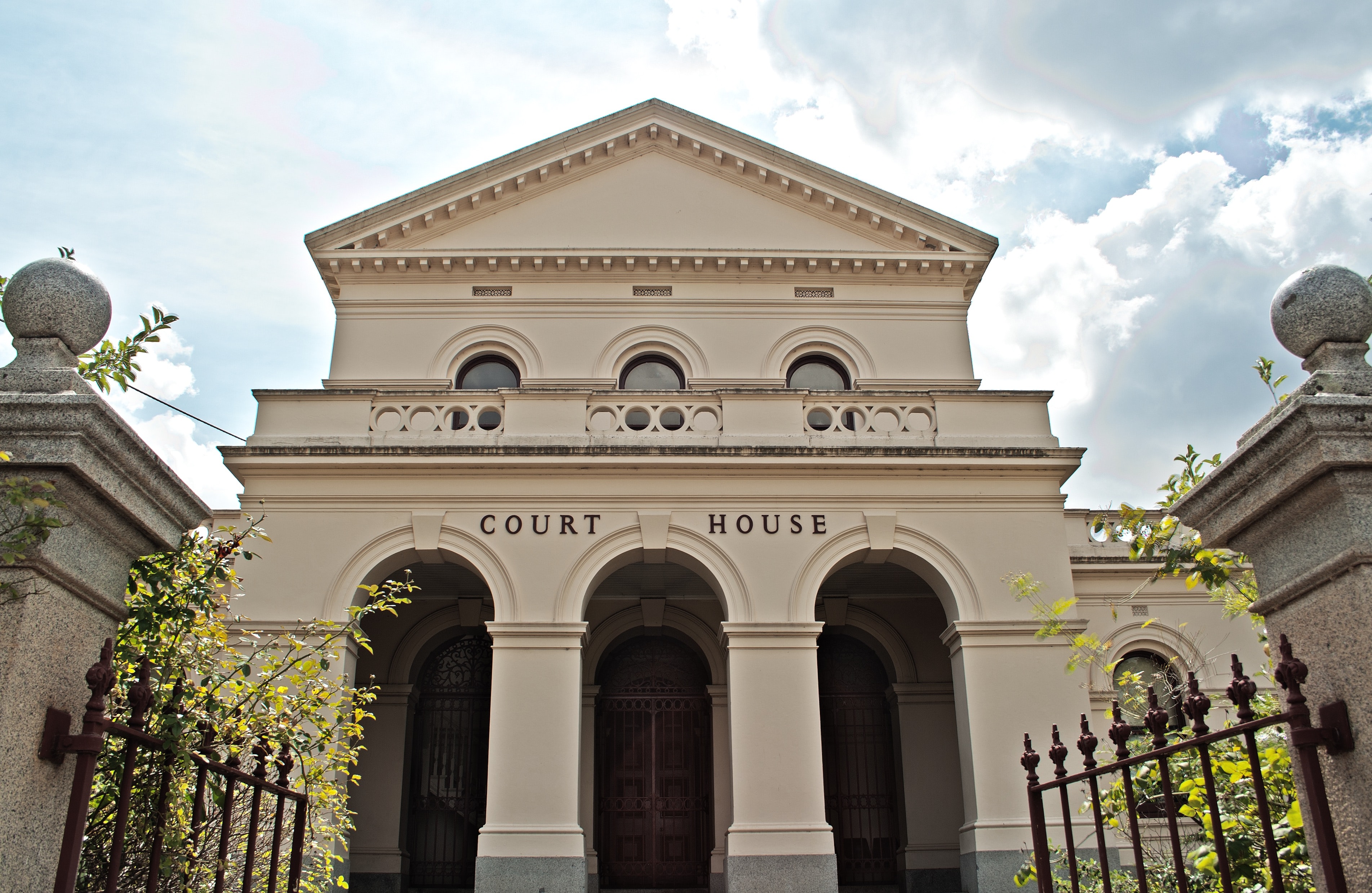
An important detail to understand about the length of time a background check takes is that it is jurisdictionally driven. There are approximately 3,144 counties in the U.S. and within each county, there can be multiple court houses. About half of these courts have electronic access, which speeds up the process; whereas others still must be searched by either court runners or actual clerks, which of course lengthens the process. Also, some courts are only open certain days or for certain hours, which can makes things take longer.
The process you'll be subject to will vary by county. Some counties have a dedicated records department that handles all the requests for background checks. Others use a general clerk's office, where the request will be filed among many others. Not all courthouses have the same resources or staff. If a county courthouse is small and has fewer staff members, it may take longer to get your search than if you went to a larger county with more people.
If the county the search is being done in does not have an online court records catalogs where we can conduct searches digitally, you'll have to have someone physically be there in person to look at them. This person is called a "runner" who will have to devote several hours of time at the courthouse, when it's open, doing research. At many courthouses, runners cannot book an appointment or time slot for doing their research. So, they may have to wait in lines.
There are three ways to access records: automated electronic access, manual electronic access, and on-site search either electronically or by clerk search. There are 3,144 counties in the U.S. and over 10,000 courts, and each state as well as most counties have different policies on accessibility; as there is no national or statewide policy in place regarding the accessibility of public records. Of those counties, only about 50% have remote electronic access. Progress has been made for state-wide repositories, with 27 states having fully automated systems (however, this doesn’t mean that all counties report to the state repository). County level courts have much less accessibility, and as the court of record, these are the most important and most searched courts.