

He Fumbled a $500,000 Deal… and Still Didn’t Get Fired [The Bad Hire Ep. 15]
$500,000 shoot. Total chaos. He should’ve been fired. But instead… his boss took him out for dinner.
Episode Recap
$500,000 shoot. Total chaos. He should’ve been fired. But instead… his boss took him out for dinner.
In Episode 15 of The Bad Hire, Ken and Nathan talk with guest Hudson, founder of Unify Visual Marketing, about his rise in the production world—and the time he almost torched a massive client deal.
Plus, a fresh Reddit story featuring… bottomless mimosas and HR drama.
What's Covered in This Episode
- The $500K client shoot that almost ended his career
- Why “bad hire, good hang” might be the best hire after all
- The moment he knew he wasn’t cut out to be a first AC
- Why one bad contractor cost him a flagship brand
- How leadership is tested after someone drops the ball
Key Takeaways
- Hiring friends? Always get proof of concept.
- Being a great hang doesn’t make someone a great hire.
- When things go south, how leaders respond makes all the difference.
- Culture fit can matter more than technical skill.
Chapters
- 00:00 Welcome w/ guest Hudson (Unify Visual)
- 01:30 Why every small team hire matters
- 04:15 The “bad hire” designer that cost a flagship client
- 07:45 Hudson’s wildest client meltdown stories
- 11:20 Sponsored by Bchex
- 12:00 The $500,000 shoot fail—Hudson’s most emotional moment
- 16:10 What makes a great partner vs. bad hire
- 20:00 “Bad hire, good hang”
- 24:30 Hudson’s journey: from failing upward to leading with culture
- 30:15 Reddit Story: Bottomless mimosas to honesty
- 33:30 Final thoughts on mentorship, excellence & building culture
Full Transcript
Read the full transcript
This transcript was generated automatically and has not been checked for accuracy.
00:00:00 This is The Bad Hire, the show with the best stories about the worst employees. We fired him, of course. People are crazy. It's like an HR nightmare. Right? One bad hire stole all of it. Crazy stuff. She got what she deserved. Oh. I'm your host, Ken Monroe, and every week we dive into real-life stories from the wild world of work and what can happen when the wrong person gets the job. These stories aren't just crazy, they're cautionary tales about lessons learned the hard way. Let's get started. Alright, hey, welcome to The Bad Hire. I've got Hudson with me and Marcus, and good to have you guys on the show.
00:00:41 Marcus. That's Marcus. Wait, not Marcus. Nathan. I got Marcus, too. Marcus is back there. We do have Marcus. We're leaving that in. Marcus is our producer. My name's Nathan. Marcus has got it going on. I've been with him all morning trying to get this thing going. It's the cold brew talking. That's right. It's the nitro. Yeah. Welcome. Thanks for having me. Happy to be here. Dude, tell us. You're first on the show. Tell us what's up. I want to know a little bit about you. Yeah, yeah. Name's Hudson. Proud Charlottean. I run Unify Visual Marketing. We're a video and photo and design agency. We do a lot of work in the commercial space. We do some non-profit. We do stuff for local companies around here. My favorite thing about it is I am the least qualified to be in most rooms I'm in because
00:01:26 I just know how cameras work. Yeah, but then you go back to your LinkedIn and it says CEO right there. CEO. Yeah. I love that. At the other day, you can have that on your business card. Yeah. It turns out it's not that hard to become a CEO. It is kind of hard to keep the thing going. Yeah. You know, to not like have it like crumbled. Start a new one. That's what happens. Yeah, that's right. On to the next one. Yeah. A little bit of white collar crime. Yeah. No problem. But I love what I do. I'm happy to be here. So what is Unify? Is it Unify? Yes, sir. So what is, tell me a little bit about, a little deeper about what they do. Yeah. So Unify, we primarily work in like the commercial space. Um, so we've done campaigns for like Lenovo and Mack trucks and Volvo, uh, in the sports
00:02:08 world, it's like Charlotte FC, the Panthers. Uh, so a lot of really cool stuff. Um, Apple's a big name to drop, which is cool. Uh, but honestly, what I think my favorite thing to do is, is work with, uh, more local businesses, like smaller businesses. So we do a lot of work in the food and Bev world. Um, there's a, some of my best friends run a company called Hex Coffee. It's the best coffee in North Carolina. Um, we work with the food and Bev. Hex Coffee is, is a shop. Like I go and get a cup of coffee or they're making coffee. Yeah. So both, they've got a roastery. They have a, uh, they have something called Hex Kitchen and Natural Wines and Camp North End. And that's, it's a cafe, but it's tricky because no cafe has business making food this good
00:02:51 and like this intentional. But if you're a coffee nerd too, you go in there and they have, are you familiar with like heirloom grains and like heirloom tomatoes and things like that? Yeah. Okay. Yeah. The idea is it's, you know, seeds that don't exist anymore. They have coffee beans that are from reserve lots back in like 2016, 2017 that they have frozen and they have this wildly complicated and extra setup to where, oh, we have this magic coffee that doesn't exist anymore. You have the Jurassic Park of coffee. They have the Jurassic Park of coffee. Yeah. Chris Pratt loves the coffee. Yeah. He's probably, probably, but I love working with, uh, the local crews, especially in food and bed because they demand so much excellence because someone in Charlotte, I think the
00:03:34 heartbeat of Charlotte is people who demand excellence and hospitality. Yeah. And that's fun because if you go to New York, you're going to get excellence top down, left, right, front, back for sure. But if you're from the South, you understand that the hospitality in the South is something a little bit different. Yeah. So I love that. And then, uh, uh, the last leg of our business is we do like pennies on the dollar nonprofit work. Um, a couple that we worked for, uh, this year is the Down Syndrome Association of Greater Charlotte. They are just a sleeping giant. They have, they do so much work for families and individuals with Down syndrome. Yeah. I love that. Yeah. And then congregations for kids, they do a ton of advocacy work for people in foster care and for social workers. So there's a massive support for the social workers and for kids that are aging out of the
00:04:18 foster care system. It's just stuff that I don't think about immediately when I think about does work in foster care, but they do enough to where they even have pull like in a judicial sense. Like they, they are, they are advocating in courtrooms and whatnot. So there's awesome people doing awesome stuff in Charlotte and we get to have a small part of that just because we know how cameras work. Yeah. That's cool. That's sweet. Well, it sounds like you're crushing it. Well, Eric, so for everybody out there, you need somebody in production, video production, film production. Holler at us. Yeah. Follow them on LinkedIn. Yeah. Come on, come on through. We love working with, uh, what we say is we currently, I just don't care what I'm working on as long as it's working on. I think we like ran into you on LinkedIn somehow.
00:04:59 Did you, did you, did you, yeah. We have one mutual friend from over somebody that I grew up with. Yeah. And then, and then we like reached out talking about camera stuff and then I was like, oh, hey, you'd be perfect. Cause like you're the lead guy. Right. Running a business. You've hired, you've hired people like you've been running business and just a couple of nerds. Just a couple of nerds DMing on LinkedIn. That's all we need. Nothing to see here. There's people together. It was. Yeah. He was, yeah. You're telling me about the man. Nathan is definitely a nerd when it comes to that. Oh yeah. We met on, we actually, at social media. Yeah. I met on LinkedIn. I was reading. That's right. LinkedIn DMs. Magical place. Yeah. Wait, really? You just found him? I was looking for someone to do, uh, come in and run, you know, growth marketing for us. Huge. I was just looking and I don't know how, I forget the story, really, but I just know that we ended up, he was, he was in like the Valley in California
00:05:43 and, and he had the skills, but he was, you know, across the country. And I, I really wanted to hire someone here. Yeah. And, uh, turns out he went to Virginia tech and was from Virginia. And so, and had this plan to kind of move back East. Like right at the same time that he was hiring. And so I was like, we're already talking about, I really want you to Charlotte. Cause, but you know, I, I finally gave in. Yeah. And, uh, you ever heard of a place called Monk's Burger Bar in Pungo Island? I don't think so. Oh, in Virginia Beach area? Yeah. I know Pungo Island like pretty good. Yeah. That sounds kind of familiar. Monk's is, my parents used to live in Virginia Beach for a little bit. And there's this biker bar called Monk's. Okay. It was funny. Cause I was feeling some type of way.
00:06:24 We went in there and I was like, Hey, can I get a double cheeseburger or whatever? And like, yeah. An extra piece of cheese. No, you don't want to do that, man. I was like, what do you mean? They're like, we put like a block of Velveeta on it. Oh, really? Just trust us. Dude, it was. Don't do extra. It was an illegal amount of cheese that they put on there. Yeah. It was fantastic. I got to take it out. Yeah. Pungo is the place to be. That's cool. It rocked. Well, I was telling you before, I love the, you know, I love the idea of having you on the show. Cause it was like, you know, you're, you're, you're not this huge conglomerate. You know, our audience is a lot of recruiting, a lot of people that are hiring folks, but you know, uh, when you've got a smaller business, you are that guy. The CEO is that guy. I've stayed involved for a long time in our hiring here.
00:07:07 Um, you know, but so every hire matters and it's just, you know, that's, you know, that's just kind of the, you know, when you're a recruiter, you live the life you live, you live thinking about hiring great people and, you know, but it's so, uh, for, for a CEO, it's the same, right? You're totally, you're totally correct. I had a, my first, uh, my first step into the production world, um, was a, it was a small agency that primarily did medical work, uh, in Charlotte. And it was funny because I came in just hungry and interested and the CEO, his guy named Russell, who's still a great friend of mine. Um, he, he just went off of an act of faith of like, I see that you're hungry and I see
00:07:51 that you've got a good, you know, you're, you're interested and you, you're, you're playing with the kids in the sandbox. Like it's a good fit. Um, but you don't know anything right now. So let's just bring you in and keep you moving. And he had so much integrity with, he said, now you're on the team. That means like you have access to all of our stuff. You have access to all of us as, uh, resources and pieces of information. And there were definitely like mishaps that I had and stumbles along the way, but that really, um, embedded kind of a thumbprint of moving forward. It's, it's a, it's a people over products kind of thing. Culture first, like my business partner, um, for instance, Jono, he's one of the best
00:08:33 photographers I know personally, period. And I'm not just saying that. Um, but I asked him to be my business partner six months into him buying a camera. He was not a good photographer at that point in time. He was a novice, but he, the way he broke down problems and the way that he, he saw the world and the way that he, uh, operated culturally and where his priorities were. I'm like, Oh dude, you compliment me a lot in the ways that I fall short. But also I, I feel, I feel really good. Cause I was like, I was like, I bet in two years you're going to be someone you're going to be any other person's like 10 year mark of photography. And I feel like I was correct.
00:09:15 He's ripping. Yeah. Is that right? I mean, that's cool. Yeah. I mean, I was just saying that we, we do photos for a counter the restaurant in Charlotte and they just won the first Michelin star in North Carolina. Oh, which is crazy. Yeah. The first Michelin star in North Carolina, I did in Charlotte is, is counter and counter is not going to pick just anyone to take their photos. So to brag on Jono, good, good work. I would never say this to your face, but you're a great friend and an amazing photographer. And a good hire. And a good hire. And a good hire. Right. I mean, cause I, I really think I said, when you, when you put together a partner, it's still hire. Cause I've had some really bad ones in my life. I've had some that have cost me lots and lots of money. Cause it was, you know, I just skipped the whole, I skipped the process and just like
00:09:56 hired somebody cause I thought it was going to be good financially or whatever. And then I've had some really phenomenal partners. You know, I tell people all the time, picking a partner is you're still, you can still pick up, it could still be a bad hire. You know, even though it's a couple of guys owning a business or, you know, people owning a business, whatever. Yeah. And on the ownership, I think it's a little bit easier to justify. You're like, Oh, we're both going to have skin in the game versus full-time buyers. Totally what happened to me in one of the worst decisions of my life. Oh no. Just, just, you know, business decision of my life. Anyway, it was just, we're going to be together after this. You know, why would you do me wrong? Why would you not tell the truth? Why would you, you know, we're going to be doing life together after this, you know?
00:10:38 Yeah. And you just, so you just think it's. You think it's forever. I do think it's, I mean, we, we have that Jono and I, and we have another business partner named Landis. We have this conversation where we're like, we're like, okay, let's really, easily come up with like exit ramps for all of us because we really love each other. And we've heard a billion stories about people who are just like really close friends. We like now hate each other's guts because of like X, Y, or Z. Right. So here, at least to the best of our abilities, ways that we can give each other opt-outs or like if you're sucking at your job and you're holding everybody else back, it needs to be like pretty obvious and like reasonable that you're the odd one out. And like, let's just agree to this up front, you know? And who knows? I mean, easier said than done, right? Yeah. Luckily, I don't think, I don't think we're there yet.
00:11:20 We were talking about how critical hiring was when you're, when you're smaller earlier and, and just, uh, the impact that a singular dad hire could make on a CEO and his business, especially, you know, someone like you is doing business with some really cool brands. Right. And you've got, you know, a small team and one bad hire in that team could cost you a huge brand that you're working with. Yeah. That's very, that's very true. One, hop into a quick story. One of the, uh, the one, one, I mean, I'll try to stay as anonymous as possible, but one of the bigger brands that we had, we had this big campaign that they do every couple of years and we're like, okay, cool.
00:12:01 We need to like bring in the big dogs for this. And we were creating this stylized brand essentially for an event they had. Um, and I had a friend of mine who I've worked with plenty over the years in, uh, at least parallels and never hired him exactly for any sort of specific technical work, but we'd kind of worked in similar creative circles. Um, anyway, I just trusted the dude, but never realized I just never asked for a proof of concept for his work. I just saw other bits of their work and I was like, oh, this dude's got it for sure. Oh no. And then he, yeah, I was like design stuff and sends the first draft. And do you remember Microsoft paint?
00:12:42 Oh yeah. Yeah. Microsoft paint. This looks like, this looks like someone who was like pretty good at Microsoft paint. Yeah. He was bad, dude. It was just something different. I was like, man, did we, and it was so shocking because this dude's, um, standard. Yeah. Tended to be pretty high. And, uh, You think you just had him down a path that like, that wasn't like his best skill. Like you had maybe seen others or something. God, I hope so. I hope that wasn't his best skill. Was it just like blasted with comic sans and like random colors or like all over the place? Dude. Yeah. It was, I mean, I'm not a designer. We'll put that out there. Yeah. I was like, man, I, I even like, come on.
00:13:23 So it's a video. I initially thought, this is definitely on me. 100% on me. Um, Hey, here are the actual things that we're looking for. Here's a bit more information, blah, blah. And the second round came in and we, we genuinely were just like, all right, we're just going to buy you out. And, and I've been there move elsewhere. Uh, and it, it, it was kind of scary or not, maybe not scary. Luckily the client was cool, but the client was like, we're just going to go on like Fiverr and find something. Right. And they found a great design. Right. Yeah. I was like, okay, well. There's no talent on there. Sorry. It's going to happen all the time. If somebody's like, oh, let me just, especially when you're starting out and just like, oh, let me just hire somebody who's going to know. That's what you trust, man.
00:14:04 Yeah. And totally go south all the time. There's no telling how many businesses have just come off the rails because of a mistake like that. You know, it's either at a partner level, you bring somebody in and you find out, you know, from a design perspective, you know, when, when that happens with that's happened with us, we've seen like, and it's hard to, you're trying to figure out, is this lack of effort time? Like, did they just try to whip this up last night? Cause it was due today. Yeah. Or is this like, honestly, best effort kind of work? Like, oof, you know. It's funny. You look at it and I'm like, man, I hope you just decided to whip this up, like on the drive here or something. Yeah. Cause this is harder when there's no excuse. Yeah.
00:14:44 If I give somebody, I think about this too, and you guys probably think about this when it comes to being excellent at your craft and what you do. Um, if I gave you 12 months to, to shoot a commercial or something, I'm going to expect it to be good. No matter who you are, you have 12 months, like you should get somewhere. Um, but if I give you one hour and minimal resources, that's where like, you really have to be excellent because you, you have to trust your instincts, your knee jerk reactions, et cetera. But we gave this guy plenty of time. Yeah. Anyway, so it is what it is, but it was, it was funny because the lesson I learned there was a couple of things. A dude is still remarkably talented at a handful of other things. And now I've got like really solid proof of concept. I still work with him.
00:15:24 Yeah. Um, genuinely incredibly talented. Yeah. Um, also I'm just probably not going to just trust that my friends are good at something unless I can just say, Hey, like, uh, just as a formality, send me a portfolio that matches X, Y, or Z real quick. Uh, just so that I don't have to lose thousands of dollars. Yeah. Great learning for CEOs though, for real. Yeah. Is don't just assume, you know? Yeah. Yeah. The, the, the contract side of things is very different, you know, like the, the, there's the partners, there's contractors and then the full-time hires. Yeah. Similar to what I was saying about my friend Russell. Well, I very much live in the world of, uh, it's, it's culture first.
00:16:07 It's how you connect first. Yeah. Um, maybe even, maybe how you connect is tied for first with how do you handle, uh, distress? How do you handle like hard times and, and whatnot? Because if, if you get stressed out and the world crumbles underneath you and crumbles for everybody else around you, it's, it's really hard to keep a strong, keep a strong link of support. Yeah. Um, because if, if, you know, the world's burning down, but you got your homies next to you, it's not that big of a deal. So it's good to keep that kind of up. But I was, uh, growing up in high school, I played the heavy, like metal bands for years.
00:16:48 And I remember we had a, uh, our guitarist left or he was, he should have left. He was a Fulbright scholar and was going to like UNCC and UNC Chapel Hill to become a doctor and all this stuff. We were all like, we just signed a first record deal. We're like, all right, we're going to go tour and all that. Oh yeah. But we're like, how do we do this without our guitar player? And I remember we, we were thinking, who's good at guitar? Who can do this? Who can do that? We found a guy who is a friend of ours. We like kind of played banjo, but close enough, but he was such a good dude. And so, uh, so sold out to excellence and working hard and, um, just not taking second rate for an answer. And he essentially just like locked himself in his room for a couple of weeks and like learned everything and like came in and just didn't stop.
00:17:30 Orin Harden was an amazing hire for Tritsman. I'm a big believer in Tritsman behavior service skills, which is, you know, the hard work, the dedication, the commitment to excellence, sir. Those are all like built into, you know, some people. Yeah. And you can teach a skill, man. You can teach the hard work, the dedication to excellence, the drive. That's all. Yeah. Yesterday I was on a set where I was essentially a glorified button presser. I was just pressing record. I didn't have to like move the camera much at all. I was like, okay. So did you guys become like a heavy metal bluegrass band overnight? Yeah. So like, did you guys change your life? Now, now, now, now. Cause you go hard. Yeah. That, you're, you're onto something right now. There's a band called Bill Murray. You ever heard of them?
00:18:11 I've heard of Bill Murray. Yeah. You've heard of Bill Murray. Yeah. But there's a band called Bill Murray and they, they have mandolin and lots of like country licks, like all through their music. And then it'll just have some big breakdowns that scream at you and whatnot. It's, it's actually hilarious. That's great. But it, we got to check it out. Yeah. But it, but it checks. Maybe not. I don't know. Whatever. Whatever works. That's funny. Get a little bit of cold brew in you and start a mosh pit. That's great. Before we dive back into the chaos on the bad hire, this episode is brought to you by B-Checks. Hiring shouldn't feel like rolling the dice. Background checks should come with great tech, seamless integration, and customer service that delivers. That's B-Checks. Lightning fast results, unmatched accuracy, built in fraud prevention.
00:18:55 We help you hire the right people. Now B-Checks plugs into over 100 HRIS and ATS systems. So your background checks run smooth, fast, and backed by top level service. Protect your team, protect your reputation, protect your sanity. Go to B-Checks.io. That's B-C-H-E-X.io. Yeah, so Hudson, what we do, we'll tell stories. We have people like you on who tell actual your life experience stories, but then we'll just pull stories from Reddit a lot of times. Is this from Reddit or is this submitted? This one I have is from Reddit. And then also with our contests, people have been sitting in stories.
00:19:36 So I think, Ken, you have another one that I actually sent in. Okay, I'll try to knock that out. This one is from Reddit. So, okay, here we go. So it's a Monday morning. Tina, who is a coworker that I met, she calls in sick. She says she's super sick from some bad sushi. She can't even stand up without getting dizzy. It's totally believable. Normal stuff. We've all been there. Yeah, we've all been there from the sushi. The manager naturally says, no worries, feel better, just normal manager stuff. And a few hours later, someone on their team is scrolling through Instagram and guess who just posted a full photo dump from a breakfast, a brunch with bottomless mimosas. It was Tina. So Tina is partying with some avocado toast, some selfies, some champagne glasses, good vibes,
00:20:19 all from that same morning. And the caption even says, when life gives you lemons, add some vodka. Monica, she completely forgot that her managers follow her own Instagram. So I even commented, I'm glad you're feeling better. And she did not reply to my comment. So she comes in the next day acting totally normal, like nothing ever happened. And HR had a quick chat with her. And after that, now her Instagram is private and her sick days magically start at 5 p.m. So that's funny. If you're going to be dumb, you got to make sure the Instagram is private, I guess. Would your reaction to this change at all if you were invited to the function? Yeah. At least I'd help her sneak away maybe.
00:20:59 I don't know. A reminder to make her Instagram's private. Hey, we have bottomless mimosas. If you want to sneak away, I need some PTO time. I don't know. Be so funny. If you receive an email or something with like you and manager and HR and whoever, it's like, hey, sorry, I'm like feeling really sick. And they slide into another one. They're like, hey, actually, like come on through to the brunch. I'll see you in 20 minutes. Vodka and lemon. Totally has happened. Well, that's the craziest part. People will do stuff like that and like not think about social media like all the time. And like not even with a private Instagram or whatever. Does that sort of blow your mind? I don't know. Just, I mean, people just don't think about it, I guess. I mean, the fact that like, hey, we can all see everything at any time. Especially like when it's lined up perfectly with some kind of lie.
00:21:41 It's just like, yeah, that's making sense. Because I told you before, we had a guy wanted to take a trip to Europe. And I don't know why he just didn't say, I want to go. And so he came up with some other story that he was sick. I mean, doctors noticed the whole thing. And he was posting himself pictures of him in Europe. And you're just like, dude, if you had just said, I really want to get a beer, I'd have been like, rock on. I want you there too. Yeah. So I'm doing a vermouth. Send me some pics, you know. I mean. I'm on a vermouth tour for the next six to eight business months. I'm doing it. And he's a PTO for it. Yeah. Yeah. I said it earlier, but like at the end of the day, I mean, managers, they want excellence.
00:22:22 Like, obviously, like they want people that are managing to do the best work as possible. But also really, so like, you just want communication. Like, hey, if you need something, just let me know. Like, if you need to go somewhere, just let me know. Like, don't just try and go around. I'll tell you, Nathan, the whole incident with me, I was never upset with him. I was upset with myself. I was like, what did I do wrong that made him think that he couldn't tell us? He couldn't shoot straight with us. That was a reflection of who I thought we were. I was worried about. I mean, I friended about that thing. And I was like, because he was good. He was good at his job. Yeah, and a lot of times people will come from other work cultures, workplaces that is really toxic and that you're always said no to.
00:23:06 So even when you come into like a normal, good, positive work culture. Yeah, we're going to blame that on. You just got some PTSD. You know that happened because of the previous. Yeah, no, we're good. It wasn't us. We were good. I don't know. You can't prove otherwise. It could be odd. Yeah, I don't know if that's a healthy way to look at it, but. Yeah. I agree. No, I agree with that fully. There's, I'm talking about the communication side too. Like, that's something I've had to learn. And that's been the hardest thing for me is just learning how to adequately communicate. And there was a point where one of the reasons why we have a project manager is because I'm like, hey, I've just learned that I'm not the, I'm not the most consistent communicator. Because if there's seven or eight things moving in the background they need to communicate to, I'm going to drop one at least. Like, I'm just going to drop it. And so having somebody else that their entire job is to say, here are the things you need to respond to, or here are the things that need to have decisions to come.
00:23:52 Go for it. But I think what you're, what you're saying too, is I, I, for whatever reason you take that on yourself. Yeah. You say, hey, you, you didn't respond in a way that made it feel like we are just that we care about you first. What did I do to not? I'm right on with that. Yeah. And it makes you feel, I mean, I, I imagine, you know, you're not, you're not just doing this to, you know, build a business, call it a day. Like you care about people. Yeah. You have to, if you want to be great, I think. Absolutely. And if you just don't want to be a. You know, maybe you don't have to be, but I, I just don't think it would be any fun. No. I, so much more, uh, you know, I don't know. I like it a lot much when I know that I'm helping not just customers, but the people that have joined their team that, you know, we're providing real value to them and they're having a good time and they're caught up in a mission and they love coming to work.
00:24:42 That that's part of the deal. Yeah. I think it's something that was like stuck with me. You were talking about trying to hire people and you immediately brought it to, you know, they got to be able to handle pressure. You know what I mean? I began to think about your work that you have all this planning and then you get, you know, people together, your client, and you have this moment where you got to do everything right. Yeah. Right. Is he's going to pull this thing off, whether it's shooting a show or, you know, something. And you're like, if it goes south, it's like, you got to find solutions. You got to handle it. Yeah. Right now. For sure. And imagine that if it starts to come off and it's not going perfectly, it probably could get pretty.
00:25:24 You need to have a bunch of cool heads around you. For sure. For sure. I mean, at least the way I look at that often is, I mean, we've all worked in places where we demand 100% success or this is the roadmap and we have to hit it at 100%. It's like, that's a really good way to A, not hit 100% and B, hate what you're doing. And like at the end of it, you're like, this was the worst and I didn't want to do it. So I've said for genuinely years, we've, at Utify, we have like a 70-30, like an 80-20 rule and it's 80% preparedness, 20% discovery, especially when it comes to shooting on set. Even if it's scripted or whatever, it's like you have an 80% idea of what you want it to be, the specifics that you have to touch on, the bullet points that are necessary.
00:26:04 But then there's 20% discovery, which is super important because A, it allows humans to be humans and it allows the thumbprint of the subject matter to come out. You know, we could have come in here and you could have sent me, hey, here are the five bullet points that we're going to be talking about. It's essentially scripted. Go for it. But then we would lose out on a lot of things. We'd lose out on things that I have to say. I would lose out on what y'all have to say, especially when it comes to people. People are dynamic, right? And so tailing in on what happens when you're under pressure and things go wrong, if we're doing 80-20 and something goes wrong, throw in the 20%, whatever. But we expect excellence and that doesn't mean perfection.
00:26:45 And excellence just means your reaction time is good because you've done a million of these things before or you've done a million things that are analogous to what you're doing right now. And when something goes wrong, unless it's like obvious malpractice, there's like, okay, went wrong. Cool. Moving on. Yeah, that's right. In your business, there's like a gazillion things that can go wrong too. If you've ever been around it and done any, there's always some switch that doesn't work. There's some bolt that goes out. There's something that doesn't. I also say this. You just got to be like ready to solve problems. Totally. I say this at the beginning of almost every shoot, especially if there's like a bigger crew.
00:27:26 I'll start to say, hey guys, like you're all here because you're good at what you do. You're all here because you're great people and like we're all friends already. The worst thing that can happen is that the shoot goes to complete garbage cans and catches on fire and we all lose our jobs. Yeah. That is the worst thing that can happen. Just normal worst case scenario. Cool. You know, it's like we can still get drinks afterwards. All good. Right. Like, you know, whatever. And maybe today's the day. That's why like planning is so important because you can even plan for, okay, like what do we do when things don't go according to plan? Like even that's part of the plan, you know? For sure. And it's better than, I mean, man, it's the worst to be on a stressful set and you know that there's no way to hit 100% or an optimal outcome. Yeah.
00:28:07 And so then just everybody hates the experience. Yeah. And so you're like, okay, well, that sucked. Yeah. Cool. Might as well make it fun. Yeah. Moving on, you know? And I mean, that will, I'm sure that will happen at some point and I will feel a little bit less jovial about it. But ideally it doesn't stop, you know, it doesn't stop the ability to go get a pint afterwards. Yeah. Yeah. Whether they're a bad hire or not. Right. Well, you know, being a bad hire doesn't mean you're a bad person in a lot of cases. Bad hire, good hang. Yeah. I've been that before. We need to get that on a t-shirt right there. Bad hire, good hang. Like I've, I've literally, I know I mentioned this to you guys, like I cut my teeth coming up in the camera world and I was a first AC for a long time, which essentially you're
00:28:51 the first assistant camera means you are the second in command for everything that's going on with the camera. You're responsible for the build out, all the cables that are needed. There's, you'd be shocked at how many hundreds of things need to be ready to go. But something else you're responsible for is pulling focus and pulling focus, making sure what's happening in front of the camera stays in focus. That is something that is, it's, it's technical. There's a bit of an art to it. And I think that's something that I was like above average at what I was not above average at was the organizational side. It's like, make sure all the batteries are charged. Make sure the cards are set. They have all got tabbies for them. Make sure that there's this cable, that cable, spares for all, et cetera. People are like, you know, like, you know, where are these batteries at? Are they charged? I'm like, I don't know. We should find out, you know, like who's someone should do that.
00:29:34 I mean, I get somebody to be on top of that. Man, you should do that. Yeah. I'm like, Oh yeah, that makes sense. And, but I had friends that were so demanding so much excellence as first ACs that, uh, I just started to realize I'm like, man, I'm a decent focus puller. I'm not a good first AC. Like, but again, with the bad hire, good hang. As me and your bad person. Dude, I got hired on, I've, there were a handful of times I got hired to be like, Hey, you're my friend. I am not hiring you because you're the best first AC, but I need someone who can handle pressure. I need someone who can pull focus, whatever. Um, which is, which is funny, you know, but I love that, man. It's just the humanity of, of what we're talking about is just like, that can be a great person and not, and not be the right hire, you know, just be a bad hire.
00:30:16 You didn't. Sometimes it's just in the wrong position, you know, you go to something else and that's all it is. Totally. Yeah. Finding, finding your strength is super big. And I mean, running a company, right. You're, you're part of your job is to help people find their strengths. Yeah. And I think part of your job that I'm kind of learning right now is, is in what Russell at my first company taught me is he was always talking about, Hey, like once you get to this skill level or once you get to this point where you have these opportunities, whatever, like, I hope you go off and you kill it. He was always talking about like when it was time for me to kind of like leave the nest, so to speak. And, um, yeah, it's a good measure. It's a great manager. Yeah. I had this conversation with one of my friends that I was just telling you about like an editor who was part-time with us. I was like, Hey man, you're killing it right now. Um, stop working without someone like, without someone like that in your life, would you
00:31:00 have ended up like, like if you hadn't had somebody who was like, saw that you had potential and was like, maybe like, Hey, I can lift this person. They get, they're going to, you know, go on and do great things instead. If, if it had not had that, would you have been trapped or were you? Cause I think a lot of, a lot of great people get trapped by bad, by bad managers, man. People holding them back. Honestly, like in a, I think I'm. Was your will to get out so big that you didn't matter? No, I think that I, I think it goes farther toward like how I treat people now. And, and more so I feel like indebted to how many people believed in me and gave me second
00:31:43 chances and like still do stuff like that and like speak life into me that it is just not a, it is a non-negotiable to kind of do that. And I feel like I'm not. Unify shouldn't be a place that people come in and work and stay for forever. I don't think because ideally we're hiring people who are so good that their ceiling is like way past what we can do. Now that being said, it's really inspiring. Cause I'm like, I want to meet this ceiling. I want to meet the ceiling and, and, and get it up so that I can match the people that I work with. That's a really fun challenge to be around. Cause I'm just like, Oh, like things are just getting better and better and better.
00:32:25 Let's just keep, let's, let's keep pushing that. Yeah. Um, in a way that is elevating, you know, and instead of there's a difference between like climbing and being lifted. Right. And I think there's some, some equal parts. Um, there, there's some equal, equal parts. There's some balance that I feel, I feel very much indebted to Russell. I'm like, Oh dude, you, you gave me so much trust and so much integrity when like I did not earn that in any way. You're just like, Hey, I'm, I'm giving you this so that you can get to the point where you feel like you've earned it. And I'm like, all right, well I can't lie. I can't cheat anybody now. Thanks Russell. Yeah. Yeah. So not that I would want to do that anyway. But that's cool management though. And just be able to like identify that in somebody and like not hold them back, but like kind
00:33:09 of let them go to the next stage, you know? And I feel like all of us kind of probably have somebody in our career, in our life who is that person for us. At least like, you know, I do. Yeah. It's a blessing. Who like helped you kind of move to the next stage, you know, even like, I think people look at their careers and wherever they are at in their career, like, Oh, this is how it's always going to be, whether it's like good or bad. And sometimes it's a roller coaster, like there's ups and downs and like, you need somebody like that, like a good manager or like a good mentor to like help you get to the next stage, you know, like through those ups and downs. So that's great. I feel like I've always had people who are like calling me up. Yeah. That's, that's, you know, it's an insane blessing, you know? And I'm, I'm that, that is the reason that I'm here now.
00:33:51 I wish that for everybody to be surrounded. You know, I was, I was talking to, um, somebody who's in the, really in the, and, and the, uh, consulting business who helps businesses, you know, build and retain great work, great workforces. And he's worked with a lot of huge companies and he was just talking about the impact of you can set up all these hiring systems to hire the right people, right? You, all the screening and interview styles and all these ways to, you know, you know, increase the probability of great hiring and you do, and you hire great. And then you send them into the organization and, you know, the manager they get there and
00:34:32 the culture, the subculture of that situation has a greater impact on whether that person is successful or not has nothing to do. And I think about that all the time when I think about recruiters who are stressed every day, trying to find great talent and put place in their organization and how much control they lose as soon as they drop them off. And they're like, you know, geez, you know, I think, yeah, I get a sense. They probably know that's going to be tough right there. It's a question mark. The final anecdote I'll give about that is the time that I was the wrong hire personally. Uh, and more specifically in there, I think it was, it was the worst shoot I've ever been
00:35:18 on period. Not because it wasn't set up well, because like my job as the first AC, I just failed almost every single way I possibly could. And there was plenty, there were things going on in my personal life and whatnot. So I think it makes it understandable, but it doesn't make it acceptable. Right. Um, and I'll call out my homie, John. He was the DP for this. Shout out John. Um, he brought me on this and he was very straight up. He's like, man, this is a big client for me. I've been trying to get them for a while. And John is probably the best director of photography that I know. He's insane. Um, he's like, this is a big deal. Um, I know you'll, I know you'll meet it. I know you can do it. Spoiler alert. It didn't. Long story short, we just got it handed to us.
00:36:01 Um, because there was a lot of moving pieces and I was just failing here, failing there, failing here. Anyway, fireable offenses. Period. And we had three, it was a four day shoot. I think it was a day somewhere in North Carolina, a few days in Tennessee, um, whatever. And, and it was, it was, I don't know the budget of this, but it was certainly close to $500,000 or something for the budget. It was not a small thing. Um, and after this fireable, after my like just worst day ever, et cetera, um, we're driving to Tennessee, separate cars, whatever. John calls me and the, and I'm, I'm like kind of shaking in my boots right now. And he's like, Hey man, like, are you okay?
00:36:42 Like anything you need, I've got you. Wow. Period. It was just like what he did. And I, I like, it was kind of like, it makes me emotional right now. I was like floodgates and, and he's like, Hey man, like we're getting into Tennessee, like drop your bags. I'm taking you to dinner. Let's do it. And he, he just, he just big brothered me like super hard. And again, like called me up. He said, Hey man, like I get, I've told him everything I was going through. He's like, I get it. He said, there's a, he said, there is an opportunity with the job that we have to where your personal life, your personal life is going to be there before you get on set. And it's going to be there after you get on set. He said, when you're on set, you have the opportunity to demand excellence of yourself and to like honor the crew and honor what you're doing. And it's totally reasonable to let everything else exist outside of that.
00:37:25 And then when you're out deal with it and deal with it the same way with honor, with time, with respect. And it was, it was like really cool. Cause I was like, man, like I can never fire anybody. Like if I, if I'm not getting fired for this, but it was cool. Cause he turned a liability into an asset. And I, I like, I like feel like I'm just like, dude, like big bro for life for sure. Um, I mean, we've known each other in many other cases other than just that. But that's cool. It sounds like you've had a number of like mentors slash people who've just been there. Well, and you can tell it, it's really driven this, uh, in talking to you, listening to you, the theme of excellence. I mean, it's like a real high focus of excellence. Yeah. Beams out of you when you're talking to you.
00:38:06 I think it's expected, right? And I, and I, yeah, it's, you can definitely feel it from you and hear it from you and listening to your journey. You realize it didn't, you know, it wasn't by accident and you had a couple of guys who were real purposeful in the way they, you know, uh, allowed you to develop. And, uh, so you went from bad hire to, you know, he makes it work. Like you end up with another great manager who, who teases more out of you and eventually sets you on your own. And now you've got, you know, a successful business. That's awesome. Yeah, man. I think that's something that, you know, all of us are ultimately in, in the call to you in places of leadership is the, the people over the product, but like really mean it and mean it for like when, when those people let you down, that's when the true colors come
00:38:51 out. That's when the test is everybody's making money and everybody's working great and whatever. It's like nothing's being tested. Yeah. You're not, you're not, you got to get in the gym and tear the muscles, you know what I mean? So to build it up, but I've had a lot of people believe in me just unreasonable amounts that I very much want to keep that. That's great. For sure. Yeah. Cause when you have that, then you become that to somebody else. Cause you've had that experience, you know, fingers crossed. That's the, that's the hope. Yeah. That's the hope is that. That's cool. You're carrying it already. Yeah. It feels that way here, man. I've only, I've only, I've only met a couple of y'all and y'all are immediately like, yo, sit in the fuzzy chair, dude. Let me tell you, let me tell you all about it. We reserved the fuzzy chair for the schedule. I felt it. Yeah. I felt it big time. Love it. That's it, man. We appreciate it.
00:39:31 Thanks for having me. Yeah. It was cool having you on the show. It was great. Yeah. Loved it. Appreciate you guys a lot. Yeah. No sweat. All right. Until next time. Thanks, man.
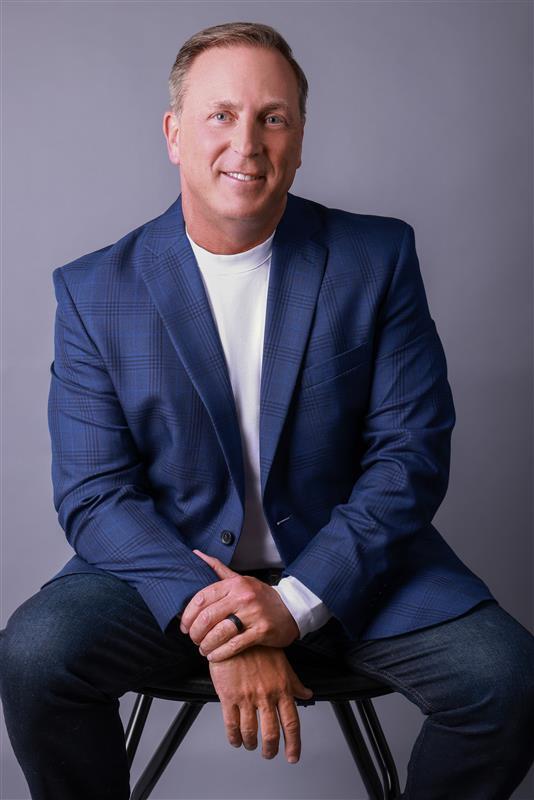
Ken is CEO of Bchex, where he leads a platform spanning background checks, continuous monitoring, visitor management and volunteer screening. He created the Screening Hero Masterclass, a free SHRM-certified course on building FCRA-compliant screening programs. After a career spent in screening, what still gets his attention is what good hiring builds: safer workplaces and stronger teams.
Recent Episodes
Federal Agents Arrested the New CFO on His First Day
He came in early. He got his badge photo taken. He sat down with the quarterly numbers like he'd been there for years.
Watch Now →
She Showed Up to Work in the Wrong City
She walked into the office on her first day. The receptionist had no idea who she was. It took 18 minutes for anyone to figure out what was wrong:
Watch Now →
Fired on Day One for Going Home on Time
She worked nine and a half hours on her first day. She got paid $28 for it. Then, at 7:30 that night, her phone rang.
Watch Now →